
The rise of AI Data Centers and the Ramifications to the Future of Our Environment.
Artificial Intelligence has become an irreplaceable technology that is integral to how society functions today. To sustain intensive programs, data centers are built and the number of them has only grown larger all across the globe as artificial intelligence becomes more relevant to our lives.
Data centers operate servers that host the AI, store unfathomable amounts of information, and facilitate the training of the AI models. Such operations require intensive energy and meticulous maintenance, which accounts to why the establishment of AI data centers across the globe has surged the demand for electricity. From a 2024 International Energy Agency regarding the energy consumption of AI, it reports that AI data centers globally exhaust 415 TWh in 2024, and “global electrical consumption for data centres is projected to double to reach around 945 TWh by 2030” (IEA).
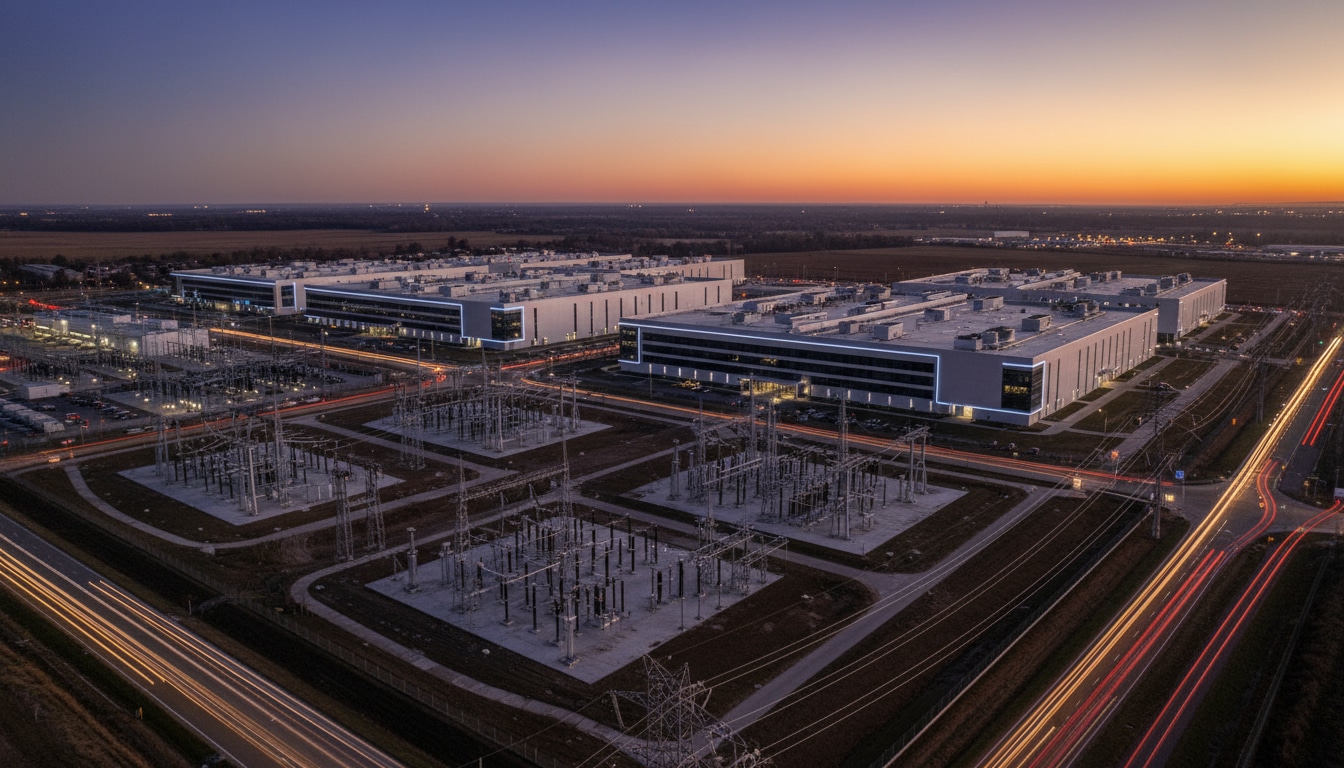
Considering that data centers that are dedicated towards Artificial Intelligence have only started to emerge from 2024, 1.5% is a large amount and reflects how much electricity AI data centers will consume in the future. Specifically, AI mostly runs in accelerated servers, which account for approximately 50% of the overall increment of energy expenditure from data centers, and is projected to only increase to quadruple its current amount by 2030. Around 26% of energy that is consumed by maintaining ai data center facilities are from natural gases, sustainable energy power up 27%, and nuclear power accounts for 15% of the energy. The IEA also imparts that around 10% of the world’s electricity would be dedicated towards AI data centers and would be projected to use 10% of the world’s electricity, underlining about the importance of establishing global guidelines and consensus on fueling data centers to ensure sustainable practices.
AI data centers have a notoriety of inciting negative environmental repercussions to its surroundings, with the most conspicuous concern being the depletion of local water sources. AI data centers require copious amounts of freshwater in order for it to act as a cooling system for the computer equipment. The high heat capacity of the water and the apparent abundance of it renders it one of most efficient to cooldown data centers. People may hold the misconception that the cooling of data centers with water would not be detrimental to the local environment as it could be recycled and put back into the environment. However, this is not the case as water that is used to cool down the data centers all evaporates and dissipates from the local water system. This renders it a process where water is constantly extracted from the environment with no measurements being implemented to restore the loss of water.
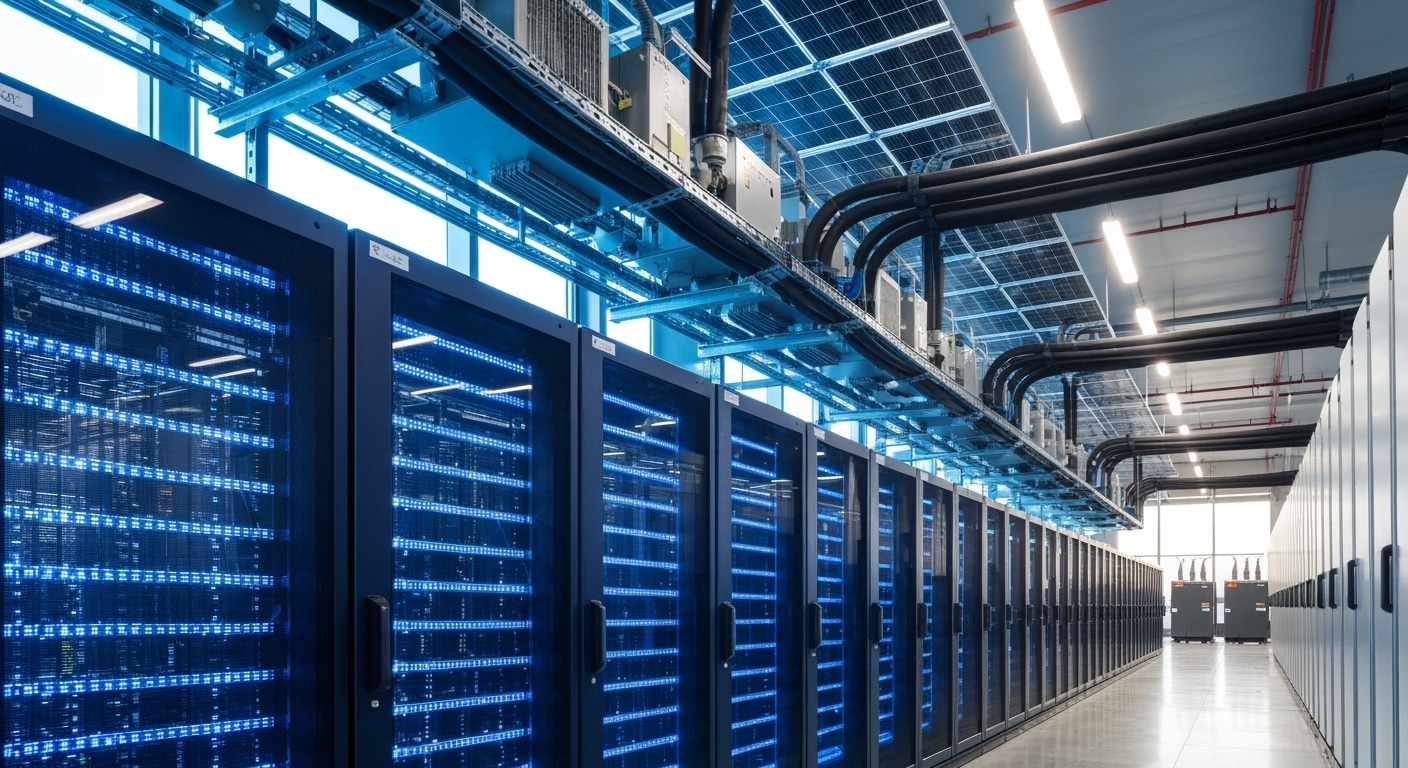
In 2025 in Lake Mead of Texas, over 49 billion gallons of fresh water were used for data centers cooling systems and it is estimated that 399 billions of gallons of water would be depleted by 2030 (Gioino). Currently, the drainage of 49 billion gallons of water has resulted in the lake shrinking by 16 feet or around 5 meters. Further extraction of water from these local fresh water sources will be detrimental to the pre-established ecosystems functioning near the water sources. The precipitating rate of depletion of water provides no time for the creatures to adapt and could result in habitat loss and ecosystem collapse. It is imperative to note alongside that around “Two-thirds of all data centers built or in development since 2022 are located in water-stressed areas like southern Arizona, the Colorado River Basin and Texas” (Walker). The water used to cooldown the AI data centers would originate from water heavy sites. With numerous data centers extracting water from the same source at the same time would lead to rapid consumption of water.
The depletion of water does not only affect the near ecosystems, it also affects agriculture as a whole. The usage of water from data centers would increase present competition for water amongst various agricultural systems. As a whole, agriculture depletes intensive amounts of water and with the newfound competition of AI data centers for water, droughts would become a much more common occurrence in the future. As AI expands to much more areas becoming progressively more arid, the competition for securing water would become a ubiquitous issue affecting local community members, the ecosystems, and data centers, respectively.
Artificial Intelligence would become one of the most integral parts of human society, but the environmental consequences that come along with such technology is expanding at a rapid rate, in correlation to the expansion of human technology. AI has to account for its massive demand for electricity and its strain on local water supplies, noting the importance of establishing sustainable infrastructures and preserving the environment.
Bibliography:
https://www.wri.org/insights/us-data-center-growth-impacts
https://www.iea.org/reports/energy-and-ai/executive-summary
https://fortune.com/2026/05/13/data-center-georgia-arizona-water-wars/
)
)


)

)